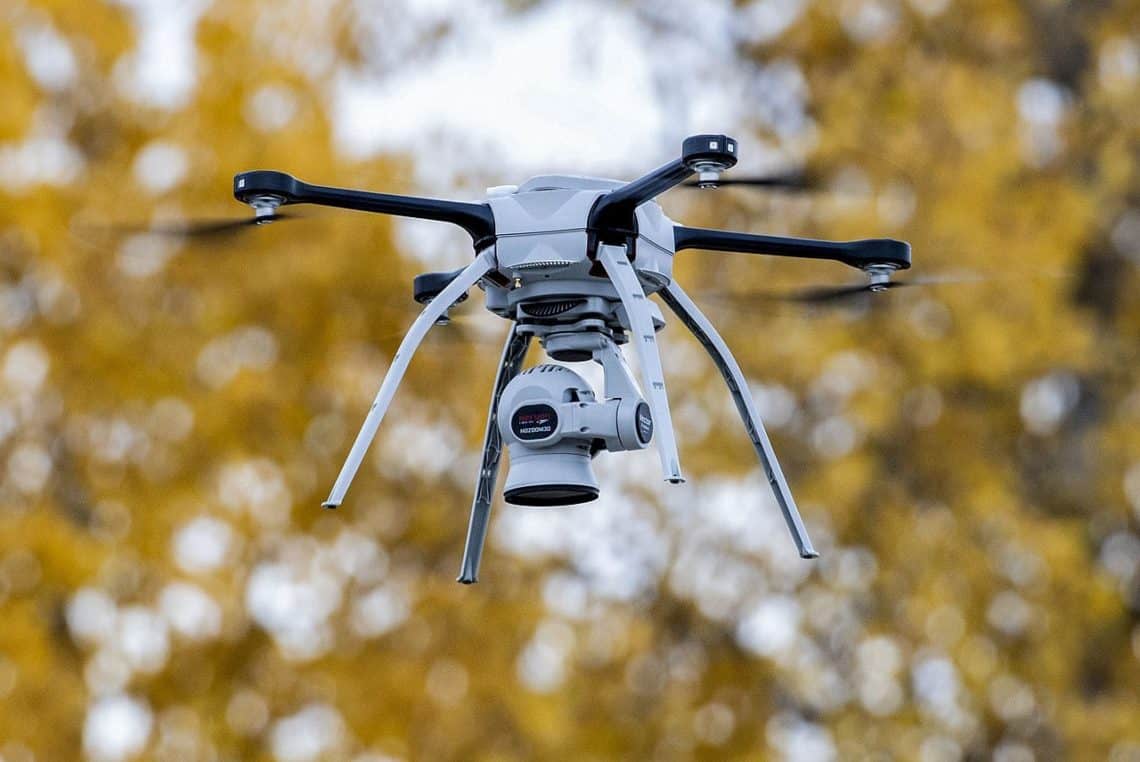
A Beginner's Guide to Drones and Their Uses
Discover the basics of drones, their various types, and the wide range of applications they offer for both hobbyists and professionals.
Introduction to Drones
Drones, also known as unmanned aerial vehicles (UAVs), have become increasingly popular in various fields. Originally used for military purposes, drones have evolved into versatile tools for both recreational and professional use. Their ability to capture aerial footage, perform complex tasks, and access hard-to-reach areas makes them invaluable in many industries. This guide will provide a comprehensive overview for beginners, exploring the different types of drones, their uses, and essential tips for getting started.
Types of Drones
Drones come in various shapes and sizes, each designed for specific purposes. Consumer drones are typically used for photography and videography, offering features like high-resolution cameras and stabilization systems. Commercial drones are more advanced, often equipped with specialized sensors and payloads for tasks such as surveying, mapping, and inspection. Racing drones are built for speed and agility, used in competitive drone racing events. Understanding the different types of drones will help you choose the right one for your needs.
Recreational Uses
For hobbyists, drones offer endless possibilities for fun and creativity. Aerial photography and videography are popular activities, allowing users to capture stunning landscapes and unique perspectives. Drone racing has also gained traction, with enthusiasts building custom drones to compete in high-speed races. Additionally, drones can be used for educational purposes, teaching principles of flight, engineering, and programming. Whether you're a photographer, tech enthusiast, or just looking for a new hobby, drones provide an exciting way to explore the skies.
Professional Applications
In professional settings, drones are invaluable tools for a wide range of industries. In agriculture, drones can monitor crop health, assess soil conditions, and even spray pesticides. In construction, drones are used for site surveying, progress monitoring, and safety inspections. Emergency services utilize drones for search and rescue operations, disaster assessment, and delivering medical supplies. The versatility of drones in professional applications demonstrates their potential to revolutionize traditional practices and improve efficiency.
Safety and Regulations
As with any technology, using drones responsibly is crucial. Safety guidelines must be followed to prevent accidents and ensure the well-being of both people and property. This includes maintaining a clear line of sight, avoiding restricted areas, and respecting privacy. Additionally, many countries have regulations governing drone use, such as registration requirements, altitude limits, and no-fly zones. Familiarizing yourself with these rules is essential to avoid legal issues and promote safe flying practices.
Getting Started
For beginners, choosing the right drone and learning the basics of operation are key steps. Start with a beginner-friendly drone that offers features like GPS, altitude hold, and automatic return-to-home functions. Practice flying in open, obstacle-free areas to build confidence and improve your skills. Many drones come with training modes that limit speed and altitude, making it easier to learn. Additionally, online tutorials and community forums can provide valuable tips and support as you embark on your drone journey.
Maintenance and Care
Proper maintenance is essential to keep your drone in good working condition. Regularly inspect your drone for any signs of wear or damage, paying special attention to the propellers and motors. Keep the firmware updated to ensure optimal performance and access to new features. Store your drone in a protective case to prevent damage during transport. By following these maintenance tips, you can extend the lifespan of your drone and enjoy safe, reliable flights.
Future Trends
The future of drones is bright, with continuous advancements in technology expanding their capabilities. Artificial intelligence (AI) and machine learning are being integrated into drones, enabling autonomous flight, obstacle avoidance, and advanced data analysis. Innovations in battery technology are also extending flight times and improving efficiency. As these technologies evolve, drones will become even more versatile and accessible, opening up new possibilities for both recreational and professional use. Staying informed about these trends will help you make the most of your drone experience.