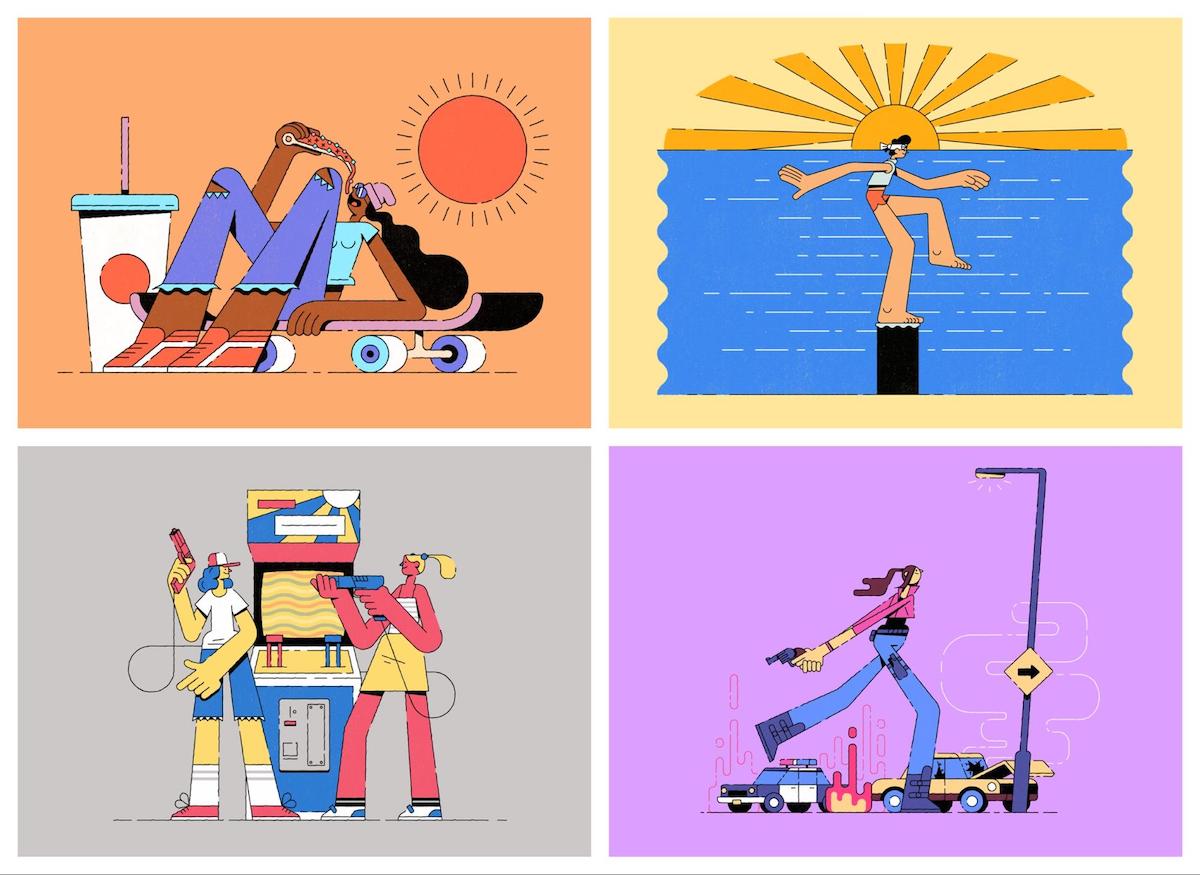
Art and Design Trends Captivating Creatives
Explore the latest art and design trends captivating creatives, from sustainable materials to digital innovation, shaping the future of aesthetics.
Fusion of Traditional and Digital Art
In recent times, a significant trend captivating creatives is the fusion of traditional and digital art. Artists are blending classic techniques like painting and sketching with modern digital tools to create hybrid masterpieces. This approach allows for a broader range of expression and experimentation, enabling artists to push the boundaries of their creativity. For instance, a painter might start with a canvas and finish the piece using digital software, adding layers of depth and texture. This fusion not only enhances the aesthetic appeal but also opens up new avenues for storytelling and conceptualization. The result is a vibrant, dynamic piece that speaks to the past and the future, appealing to a diverse audience. This trend is particularly popular among artists who seek to preserve the essence of traditional art while embracing the limitless possibilities of digital technology. By merging these two worlds, artists are creating a new genre that is both innovative and deeply rooted in artistic heritage.
Sustainability and Eco-friendly Design
The growing awareness of environmental issues has led to a surge in sustainability and eco-friendly design. Creatives are increasingly focusing on using sustainable materials and practices in their work. This trend is evident in various fields, including fashion, architecture, and product design. For example, designers are opting for recycled or upcycled materials, reducing waste, and minimizing their carbon footprint. In architecture, the use of green building materials and energy-efficient designs is becoming the norm. This shift towards sustainability is not just a trend but a necessary evolution in the creative industry. It reflects a broader societal movement towards environmental responsibility and ethical consumption. By prioritizing eco-friendly practices, creatives are not only contributing to a healthier planet but also setting a positive example for future generations. This trend underscores the importance of innovation in addressing global challenges and demonstrates how art and design can play a pivotal role in promoting sustainability.
Minimalism with a Twist
Minimalism continues to be a dominant trend in the art and design world, but with a contemporary twist. While the core principles of minimalism—simplicity, functionality, and clarity—remain intact, artists and designers are infusing this style with unique, personal touches. This could involve the use of bold colors, unusual materials, or unexpected forms. The result is a minimalist aesthetic that feels fresh and individualistic. In interior design, for instance, a minimalist space might feature a striking piece of art or a statement furniture item that adds character without overwhelming the simplicity of the design. This approach allows for creativity within the constraints of minimalism, making it accessible and appealing to a wider audience. By reinterpreting minimalism, creatives are demonstrating that simplicity does not have to be boring or sterile; it can be dynamic, engaging, and full of personality.
The Rise of Digital Nomads
The increasing prevalence of remote work has given rise to a new breed of creatives known as digital nomads. These individuals leverage technology to work from anywhere in the world, often combining their professional and personal passions. This lifestyle is influencing art and design trends in several ways. For one, it has led to the creation of flexible, portable workspaces that cater to the needs of mobile professionals. Additionally, the experiences and perspectives gained from traveling and working in diverse environments are reflected in the work of digital nomads. This can be seen in the eclectic, multicultural influences that characterize their art and design projects. The digital nomad trend highlights the importance of adaptability and innovation in the creative industry. It also underscores the value of cross-cultural experiences in fostering creativity and inspiration. As more creatives embrace this lifestyle, we can expect to see an even greater diversity of ideas and influences in the art and design world.
Interactive and Immersive Experiences
With advancements in technology, interactive and immersive experiences are becoming increasingly popular in the art and design sectors. These experiences engage audiences in new and exciting ways, transforming passive observers into active participants. For example, virtual reality (VR) and augmented reality (AR) are being used to create immersive art installations and exhibitions. These technologies allow viewers to explore and interact with artworks in ways that were previously unimaginable. In design, interactive elements such as touchscreens and motion sensors are being incorporated into products and spaces to enhance user experience. This trend is particularly appealing to younger audiences who crave engagement and interactivity. By leveraging technology, creatives are able to create experiences that are not only visually stunning but also deeply engaging and memorable. This shift towards interactivity and immersion is redefining the boundaries of art and design, making it more accessible and enjoyable for a broader audience.
Revival of Craftsmanship
In an age dominated by mass production and digital technology, there is a growing appreciation for craftsmanship and handmade goods. This trend reflects a desire for authenticity, quality, and a personal connection to the items we use and cherish. Artists and designers are reviving traditional techniques such as weaving, pottery, and woodworking, often combining them with contemporary aesthetics. This revival is not just about nostalgia; it represents a commitment to preserving cultural heritage and promoting sustainable practices. Handcrafted items are typically made with care and attention to detail, resulting in products that are unique and of high quality. This trend is also a response to the homogenization of consumer goods, offering an alternative that celebrates individuality and creativity. By valuing craftsmanship, creatives are challenging the disposable culture of modern society and advocating for a more thoughtful and intentional approach to consumption.
The Influence of Social Media
Social media continues to be a powerful force shaping art and design trends. Platforms like Instagram, Pinterest, and TikTok provide creatives with a global stage to showcase their work and connect with audiences. This has democratized the art and design world, allowing emerging artists and designers to gain visibility and recognition without traditional gatekeepers. Social media also fosters collaboration and the exchange of ideas, leading to the rapid dissemination of trends and innovations. For example, a new design trend can quickly go viral, inspiring creatives around the world to experiment with similar concepts. Additionally, social media analytics provide valuable insights into audience preferences and behaviors, enabling creatives to tailor their work to meet the demands of their followers. This dynamic interaction between creatives and their audiences is driving innovation and pushing the boundaries of what is possible in art and design. As social media continues to evolve, its influence on the creative industry is likely to grow even stronger.