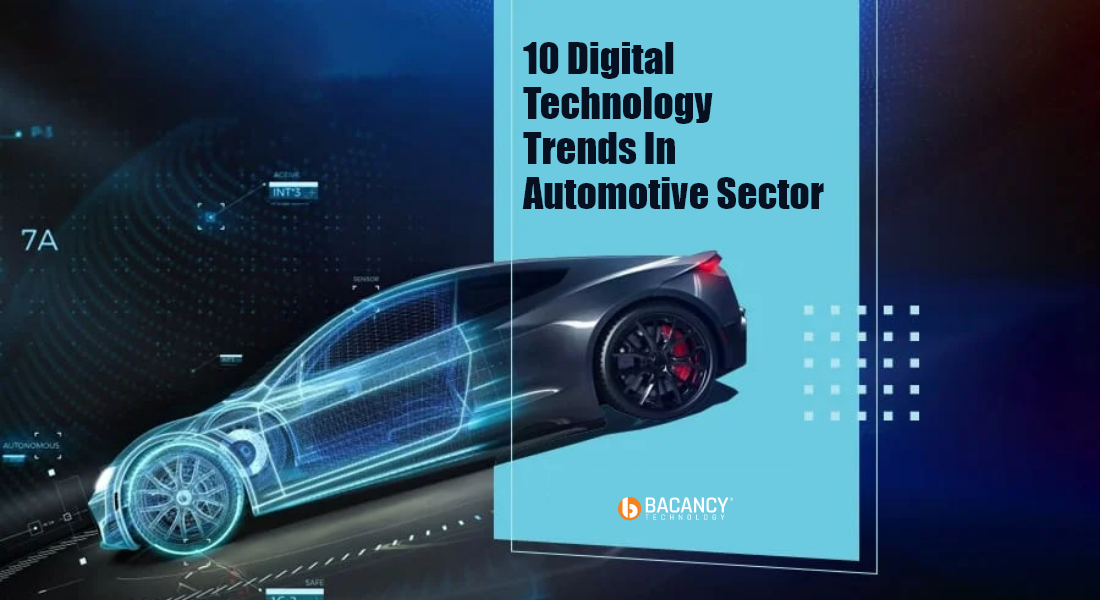
Automotive Trends: The Road Ahead
Explore the latest automotive trends shaping the future, from electric vehicles and autonomous driving to sustainability and advanced connectivity.
The Rise of Electric Vehicles
The automotive industry is witnessing a significant shift towards electric vehicles (EVs). This trend is driven by growing environmental concerns, advancements in battery technology, and supportive government policies. EVs offer several benefits over traditional internal combustion engine vehicles, including lower emissions, reduced operating costs, and a quieter driving experience. Major automakers are investing heavily in EV development, introducing new models with longer ranges and faster charging capabilities. As charging infrastructure continues to expand, EVs are becoming a more viable option for a broader audience, paving the way for a more sustainable future in transportation.
Autonomous Driving Technology
Another transformative trend in the automotive sector is the development of autonomous driving technology. Self-driving cars promise to revolutionize the way we travel by enhancing safety, reducing traffic congestion, and providing greater accessibility for individuals unable to drive. Companies are making significant strides in refining autonomous systems, incorporating advanced sensors, machine learning algorithms, and real-time data processing. While fully autonomous vehicles are not yet commonplace, semi-autonomous features like adaptive cruise control, lane-keeping assist, and automated parking are becoming standard in many new cars, gradually moving us towards a future where cars can drive themselves.
Connectivity and Smart Features
The integration of connectivity and smart features is reshaping the driving experience. Modern vehicles are equipped with sophisticated infotainment systems, real-time navigation, and internet connectivity, allowing drivers to stay connected and informed on the go. These features enhance convenience, safety, and entertainment, making driving more enjoyable and efficient. Over-the-air software updates enable continuous improvement and customization of vehicle functions. As cars become more connected, they can communicate with each other and with infrastructure, leading to smarter traffic management and enhanced road safety.
Shared Mobility Services
The concept of shared mobility is gaining traction, offering an alternative to traditional car ownership. Ride-hailing services, car-sharing platforms, and subscription-based models provide flexible and cost-effective transportation options. These services cater to the growing urban population, reducing the need for personal vehicle ownership and addressing issues like traffic congestion and parking shortages. Shared mobility also promotes sustainability by optimizing vehicle usage and reducing the overall number of cars on the road. As technology and infrastructure evolve, shared mobility is expected to play an increasingly important role in the future of transportation.
Advances in Vehicle Design and Materials
Innovations in vehicle design and materials are driving improvements in performance, safety, and efficiency. Lightweight materials such as aluminum, carbon fiber, and advanced composites are being used to reduce vehicle weight, enhancing fuel efficiency and handling. Aerodynamic designs minimize drag, contributing to better fuel economy and lower emissions. Additionally, advancements in safety features, including collision avoidance systems, advanced driver assistance systems (ADAS), and enhanced crash protection, are making vehicles safer for occupants and pedestrians alike. These developments are setting new standards for automotive design and engineering.
The Impact of Sustainability Initiatives
Sustainability is a key focus in the automotive industry, influencing various aspects of vehicle production and operation. Automakers are adopting sustainable practices such as using recycled materials, reducing waste, and minimizing the environmental impact of manufacturing processes. The push for cleaner energy sources is also driving the development of alternative fuels and propulsion systems, including hydrogen fuel cells and biofuels. Additionally, the end-of-life management of vehicles is being addressed through recycling and remanufacturing programs. These initiatives reflect a growing commitment to environmental responsibility and are essential for ensuring a greener future for the automotive industry.