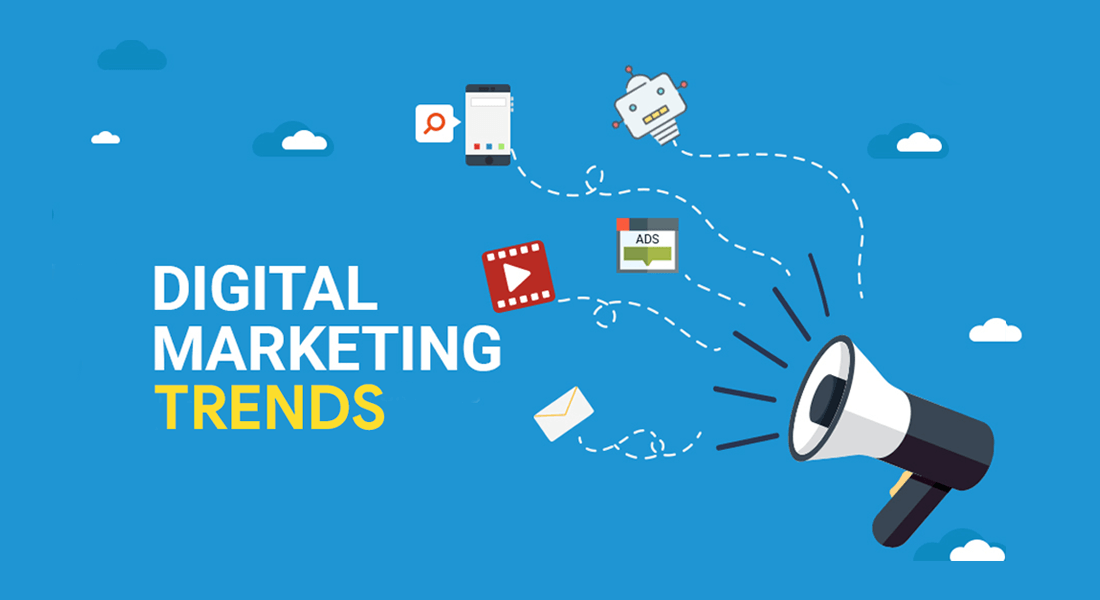
Digital Marketing Trends to Leverage
Explore the latest digital marketing trends to leverage for maximizing your business's online presence and staying ahead of the competition.
The Rise of Voice Search Optimization
With the growing popularity of smart speakers and voice-activated assistants, voice search optimization has become a crucial trend in digital marketing. Users are increasingly relying on devices like Amazon's Alexa, Google Home, and Apple's Siri to perform searches and make purchasing decisions. This shift necessitates a change in how marketers approach SEO. Instead of focusing solely on traditional keyword strategies, it's essential to optimize for natural language queries and long-tail keywords. Content must be conversational and directly address the questions users might ask their devices. Implementing structured data can also help in providing clear and concise answers, making it easier for search engines to retrieve information. Embracing this trend can significantly enhance visibility and user engagement, leading to higher conversion rates.
The Power of Personalization
In the age of information overload, personalization has emerged as a powerful tool to capture and retain customer attention. Consumers expect brands to understand their preferences and deliver tailored experiences. By leveraging data analytics and machine learning, marketers can create highly personalized content, offers, and recommendations. This can range from personalized email campaigns to dynamic website content that adapts based on user behavior. Personalization not only improves user experience but also fosters loyalty and increases conversion rates. It's important to strike a balance between personalization and privacy, ensuring that data is used ethically and transparently. Companies that successfully implement personalization can differentiate themselves in a crowded market and build stronger relationships with their audience.
The Growing Importance of Video Content
Video content continues to dominate digital marketing, offering a dynamic and engaging way to connect with audiences. Platforms like YouTube, TikTok, and Instagram Reels have made video a staple in consumers' daily media consumption. Videos can convey complex information quickly and effectively, making them ideal for product demonstrations, tutorials, and storytelling. Live streaming has also gained traction, providing real-time interaction and fostering a sense of community. To leverage this trend, marketers should focus on creating high-quality, relevant, and shareable video content. Incorporating subtitles and optimizing for mobile viewing can further enhance accessibility and reach. As video consumption continues to rise, it's essential for brands to integrate video into their overall content strategy to stay relevant and competitive.
The Shift Towards Artificial Intelligence
Artificial Intelligence (AI) is revolutionizing digital marketing by automating tasks, analyzing data, and enhancing customer experiences. AI-powered tools can predict consumer behavior, optimize ad targeting, and personalize content delivery. Chatbots, for example, provide instant customer support and can handle multiple inquiries simultaneously, improving efficiency and user satisfaction. Predictive analytics help marketers anticipate trends and make data-driven decisions. AI also enables advanced segmentation, allowing for more precise targeting and personalized marketing campaigns. As AI technology continues to evolve, its applications in digital marketing will expand, offering new opportunities for innovation and growth. Businesses that adopt AI can streamline operations, gain deeper insights, and deliver more impactful marketing strategies.
The Impact of Social Commerce
Social commerce is transforming the way consumers shop online by integrating e-commerce with social media platforms. This trend allows users to discover and purchase products directly through social media channels like Instagram, Facebook, and Pinterest. By leveraging the power of social networks, brands can reach a broader audience and create seamless shopping experiences. Features such as shoppable posts, in-app checkouts, and influencer partnerships drive engagement and sales. Social commerce also enables brands to gather valuable insights into consumer preferences and behavior. To capitalize on this trend, businesses should focus on creating visually appealing and interactive content that encourages social sharing and engagement. As social media continues to influence purchasing decisions, integrating social commerce into your marketing strategy can boost visibility and drive revenue.