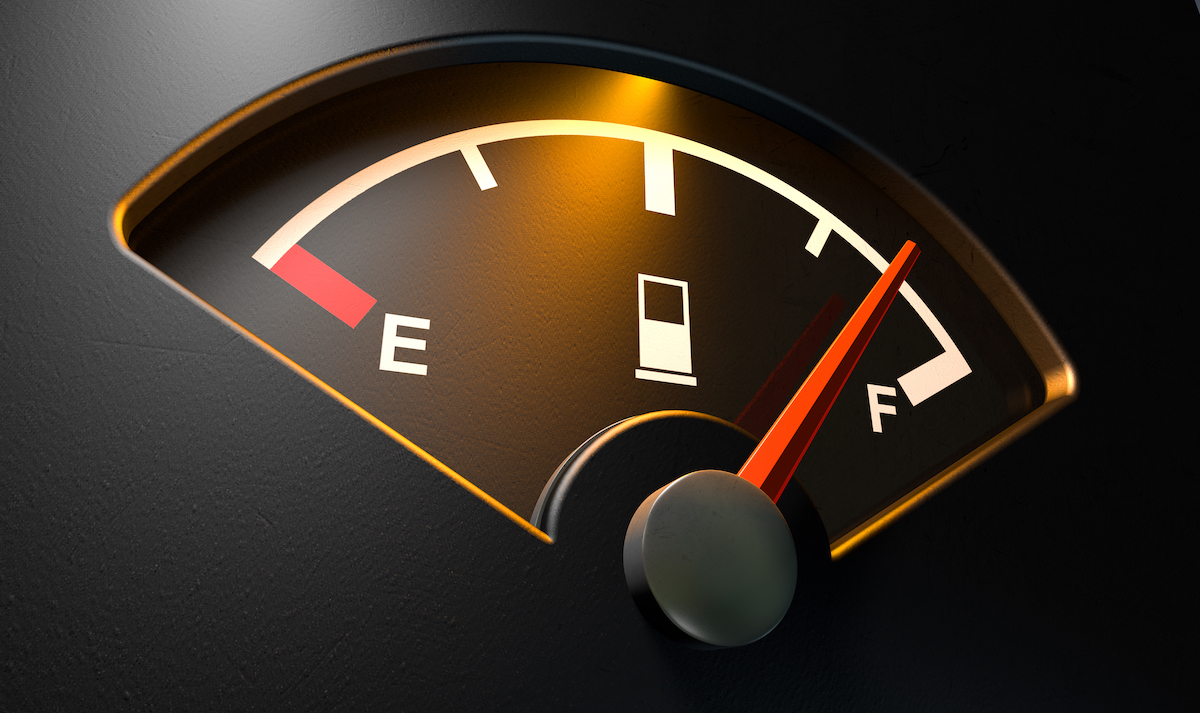
How to Improve Your Car's Fuel Efficiency
Discover practical tips to enhance your car's fuel efficiency, save money on gas, and reduce your carbon footprint.
Regular Maintenance is Key
One of the simplest ways to improve your car's fuel efficiency is through regular maintenance. Ensuring that your car is in top condition can significantly enhance its performance and reduce fuel consumption. Start by checking the air filter; a clean air filter allows your engine to work efficiently. Similarly, ensure that your spark plugs are in good condition, as faulty spark plugs can cause your engine to misfire, wasting fuel. Regularly changing your engine oil and using the recommended grade can also help in maintaining optimal engine performance. Don't forget to check your tire pressure; under-inflated tires create more resistance and cause your engine to work harder, thus consuming more fuel. By keeping up with these routine checks, you can make a noticeable difference in your car's fuel efficiency.
Drive Smart
Your driving habits play a crucial role in fuel consumption. Aggressive driving behaviors such as rapid acceleration, speeding, and hard braking can significantly reduce your fuel efficiency. Instead, try to drive smoothly and anticipate traffic conditions to avoid unnecessary acceleration and braking. Using cruise control on highways can help maintain a constant speed, which is more fuel-efficient than variable speeds. Additionally, avoid excessive idling; if you're stopped for more than a minute, it's more efficient to turn off your engine. By adopting these smarter driving habits, you can improve your fuel efficiency and save money on fuel.
Lighten the Load
Carrying unnecessary weight in your vehicle can negatively impact your fuel efficiency. Every extra pound requires more energy to move, thus consuming more fuel. Take some time to declutter your car and remove any items that are not essential for your trip. If you have a roof rack or carrier that you're not using, consider removing it as well. These add-ons can create additional aerodynamic drag, making your engine work harder and consume more fuel. By lightening your load, you not only improve your car's fuel efficiency but also enhance its overall performance.
Optimize Your Routes
Planning your trips efficiently can also help in reducing fuel consumption. Whenever possible, try to combine multiple errands into one trip to minimize the total distance traveled. Use navigation apps that provide real-time traffic updates to avoid congested routes, which can lead to stop-and-go driving that wastes fuel. If your car is equipped with a GPS system, use it to find the shortest and most efficient routes. By optimizing your routes, you can save both time and fuel, making your driving experience more efficient and enjoyable.
Use Air Conditioning Wisely
While it's tempting to blast the air conditioning on hot days, doing so can significantly reduce your fuel efficiency. Air conditioning puts extra load on your engine, causing it to consume more fuel. Try to use the air conditioning sparingly and consider using the ventilation system instead when the weather is mild. On the highway, it's generally more efficient to use air conditioning than to open the windows, as open windows create aerodynamic drag. However, in city driving, opening the windows might be a better option. By using air conditioning wisely, you can keep your car cool without sacrificing fuel efficiency.