How to Improve Your Flexibility with Simple Stretches
Discover effective and simple stretches to enhance your flexibility, reduce muscle tension, and improve overall physical performance.
Introduction to Flexibility
Flexibility is a crucial component of overall fitness, often overlooked in favor of strength and cardio training. Incorporating simple stretches into your routine can significantly enhance your flexibility, leading to improved performance in various physical activities and a lower risk of injury. This article will guide you through the basics of improving your flexibility with straightforward stretches that anyone can do, regardless of their fitness level or age. Remember, consistency is key, and the benefits of flexibility exercises extend beyond just physical well-being; they also contribute to mental relaxation and stress reduction.
The Importance of Warm-Up
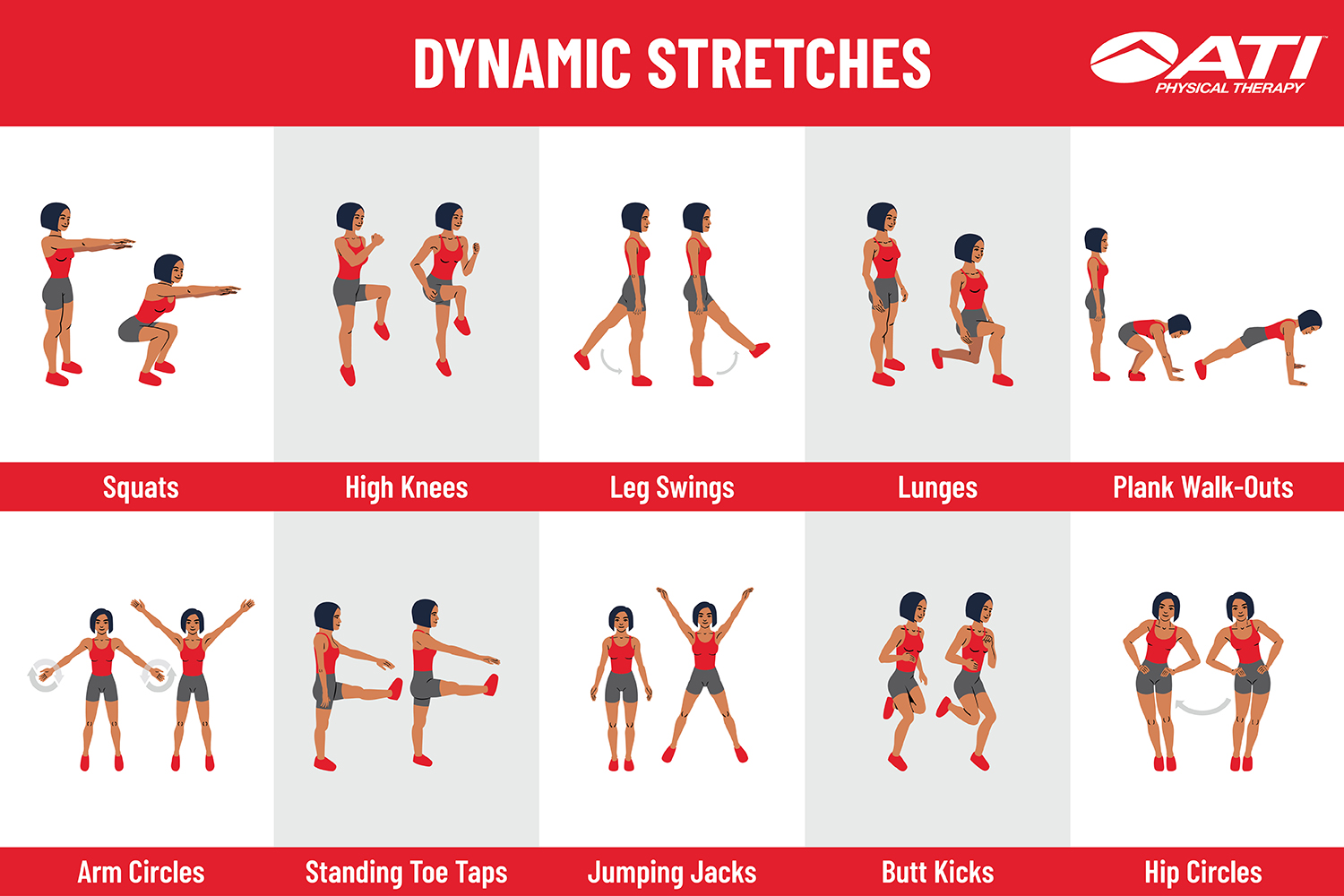
Before diving into stretches, it's essential to understand the importance of a proper warm-up. Warming up prepares your muscles and joints for the activity ahead, increasing blood flow and reducing the risk of strains or sprains. A good warm-up can be as simple as a brisk walk, light jogging, or dynamic movements like arm circles and leg swings. Spend at least 5-10 minutes warming up to ensure your body is ready for stretching. This initial phase helps to gradually increase your heart rate and body temperature, making your muscles more pliable and receptive to stretching.
Static vs. Dynamic Stretching
Understanding the difference between static and dynamic stretching is crucial for improving flexibility. Static stretching involves holding a stretch for a prolonged period, usually between 15-60 seconds. This type of stretching is best done after your workout or as a standalone flexibility session. Dynamic stretching, on the other hand, involves moving parts of your body through a full range of motion. These stretches are ideal for warming up as they mimic the movements of the activity you're about to perform. Incorporating both types of stretches into your routine can provide comprehensive flexibility benefits.
Key Stretches for Lower Body Flexibility
The lower body, including the hamstrings, quadriceps, and calves, plays a significant role in overall mobility. To stretch your hamstrings, try the standing toe touch or seated forward bend. For quadriceps, the standing quad stretch or lying quad stretch works well. Calf stretches can be performed by placing your hands against a wall and stepping one foot back, pressing the heel down. Hold each stretch for 15-30 seconds, and repeat 2-3 times on each leg. Consistently working on these stretches will improve your lower body flexibility, aiding in activities such as running, cycling, and even walking.
Upper Body Flexibility Exercises
Upper body flexibility is equally important, especially for activities that involve lifting, throwing, or reaching. Key areas to focus on include the shoulders, chest, and back. Shoulder stretches can be done by crossing one arm across your body and holding it with the opposite hand. Chest stretches can be achieved by clasping your hands behind your back and lifting them gently. For the back, try the cat-cow stretch or child's pose. These stretches help to relieve tension and improve range of motion, making daily tasks easier and reducing the risk of upper body injuries.
Incorporating Flexibility into Daily Routine
Integrating flexibility exercises into your daily routine doesn't have to be time-consuming. Simple habits like stretching for a few minutes in the morning, during work breaks, or before bed can make a significant difference. Consider setting aside specific times each day for stretching, such as after your workout or while watching TV. Using tools like yoga mats or foam rollers can enhance your stretching sessions. The key is to make flexibility exercises a consistent part of your routine, ensuring that you reap the long-term benefits of improved mobility and reduced muscle stiffness.
Listening to Your Body
While stretching is beneficial, it's essential to listen to your body and avoid pushing yourself too hard. Stretching should never be painful; you should feel a gentle pull but not discomfort. If you experience pain, ease off the stretch and try a gentler version. It's also important to breathe deeply and steadily while stretching, as this helps to relax your muscles and improve the effectiveness of the stretch. Remember, flexibility improves gradually, and patience is crucial. Over time, you'll notice increased range of motion and reduced muscle tightness, contributing to overall better physical health and performance.