Social Media Trends to Watch Out For
Discover the latest social media trends that are set to shape the digital landscape in 2023 and beyond.
Rise of Short-Form Video Content
One of the most prominent social media trends is the increasing popularity of short-form video content. Platforms like TikTok have revolutionized how we consume media, with users gravitating towards quick, engaging videos. This shift has prompted other platforms such as Instagram and YouTube to introduce their own versions of short-form video features. The appeal lies in the ability to convey a message or entertain in a matter of seconds, catering to the decreasing attention spans of audiences. Brands and influencers are leveraging this trend to create viral content, build engagement, and reach a wider audience. The ease of production and the potential for high engagement make short-form videos a trend that is here to stay.
Authenticity and Transparency
In an era where consumers are increasingly skeptical of polished advertising, authenticity and transparency have become crucial. Social media users now prefer content that feels genuine and relatable. This has led to the rise of 'behind-the-scenes' content, unfiltered posts, and raw storytelling. Brands and influencers who embrace this trend are more likely to build trust and loyalty among their followers. Additionally, transparency about business practices, partnerships, and even mistakes can foster a more engaged and supportive community. This shift towards authenticity is a refreshing change from the highly curated and often unrealistic portrayals that have dominated social media in the past.
Social Commerce
Social commerce is transforming the way consumers shop online. With platforms integrating shopping features directly into their interfaces, users can now discover, browse, and purchase products without ever leaving the app. This seamless shopping experience is particularly appealing to younger audiences who are accustomed to instant gratification. Brands are capitalizing on this trend by creating shoppable posts, live-stream shopping events, and utilizing influencers to showcase products. The convenience and immediacy of social commerce are driving higher conversion rates and reshaping the e-commerce landscape. As this trend continues to grow, it is expected to become a dominant force in online retail.
Ephemeral Content
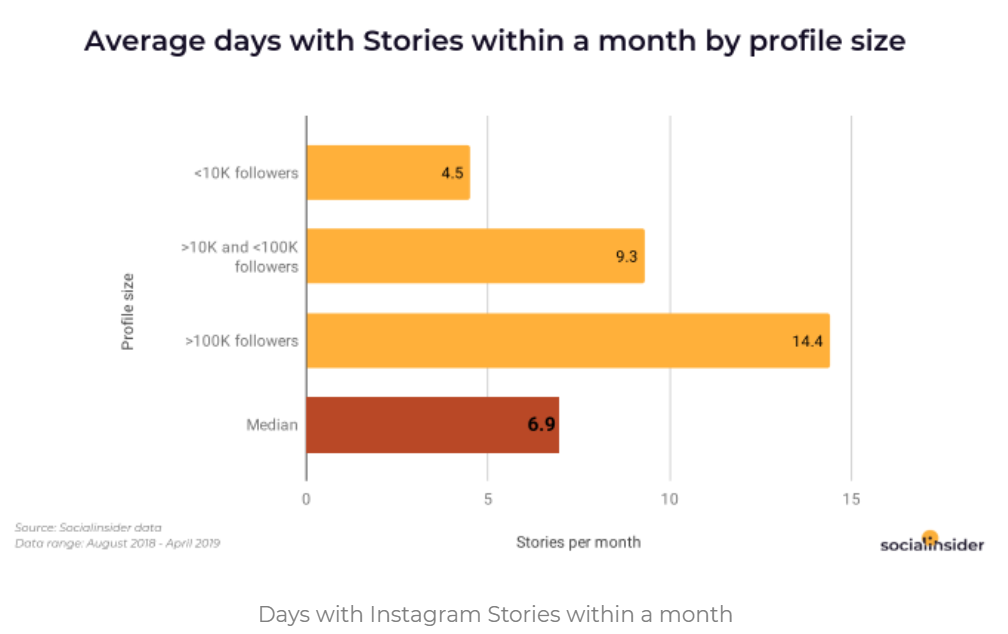
The concept of ephemeral content—content that disappears after a short period—has gained significant traction. Originating with Snapchat and now prevalent on platforms like Instagram and Facebook Stories, this type of content creates a sense of urgency and exclusivity. Users are more likely to engage with ephemeral content because it feels more personal and less permanent. For brands, this presents an opportunity to share time-sensitive promotions, behind-the-scenes glimpses, and real-time updates. The temporary nature of ephemeral content encourages more frequent interactions and keeps audiences coming back for more. This trend highlights the evolving ways in which users engage with social media.
Virtual and Augmented Reality
Virtual and Augmented Reality (VR and AR) are no longer just futuristic concepts; they are becoming integral parts of the social media experience. Platforms are incorporating AR filters and effects to enhance user interactions and create immersive experiences. Brands are using AR to allow customers to 'try on' products virtually, such as makeup or clothing, before making a purchase. VR, on the other hand, is being used for virtual events, tours, and even social gatherings. These technologies offer innovative ways to engage audiences and provide unique, interactive experiences. As VR and AR continue to evolve, their integration into social media will only deepen.
Influencer Marketing Evolution
Influencer marketing has been a staple of social media strategies for years, but it is continuously evolving. Micro-influencers—those with smaller, highly engaged followings—are becoming more valuable to brands than ever before. These influencers often have a more authentic connection with their audience, leading to higher engagement rates. Additionally, there is a growing emphasis on long-term partnerships rather than one-off collaborations. This shift allows for more meaningful relationships between brands and influencers, resulting in more genuine endorsements. The evolution of influencer marketing reflects the broader trend towards authenticity and deeper engagement on social media.
Community Building
Building a community around a brand or cause is becoming a key focus for social media strategies. Users are seeking more than just content; they want to feel part of a larger conversation or movement. Brands that successfully create and nurture communities are able to foster loyalty, drive engagement, and encourage user-generated content. This can be achieved through interactive content, such as polls, Q&A sessions, and community challenges. By providing a platform for users to connect and share their experiences, brands can create a sense of belonging and purpose. Community building is a powerful way to turn followers into advocates.
Data Privacy and Security
With growing concerns over data privacy and security, social media platforms are under increasing scrutiny. Users are becoming more aware of how their data is being used and are demanding greater transparency and control. In response, platforms are implementing stricter privacy policies and offering more robust security features. For brands, this means being transparent about data collection practices and ensuring that user information is protected. Prioritizing data privacy can build trust and credibility with audiences. As awareness around data security continues to rise, it will remain a critical consideration for both users and brands navigating the social media landscape.