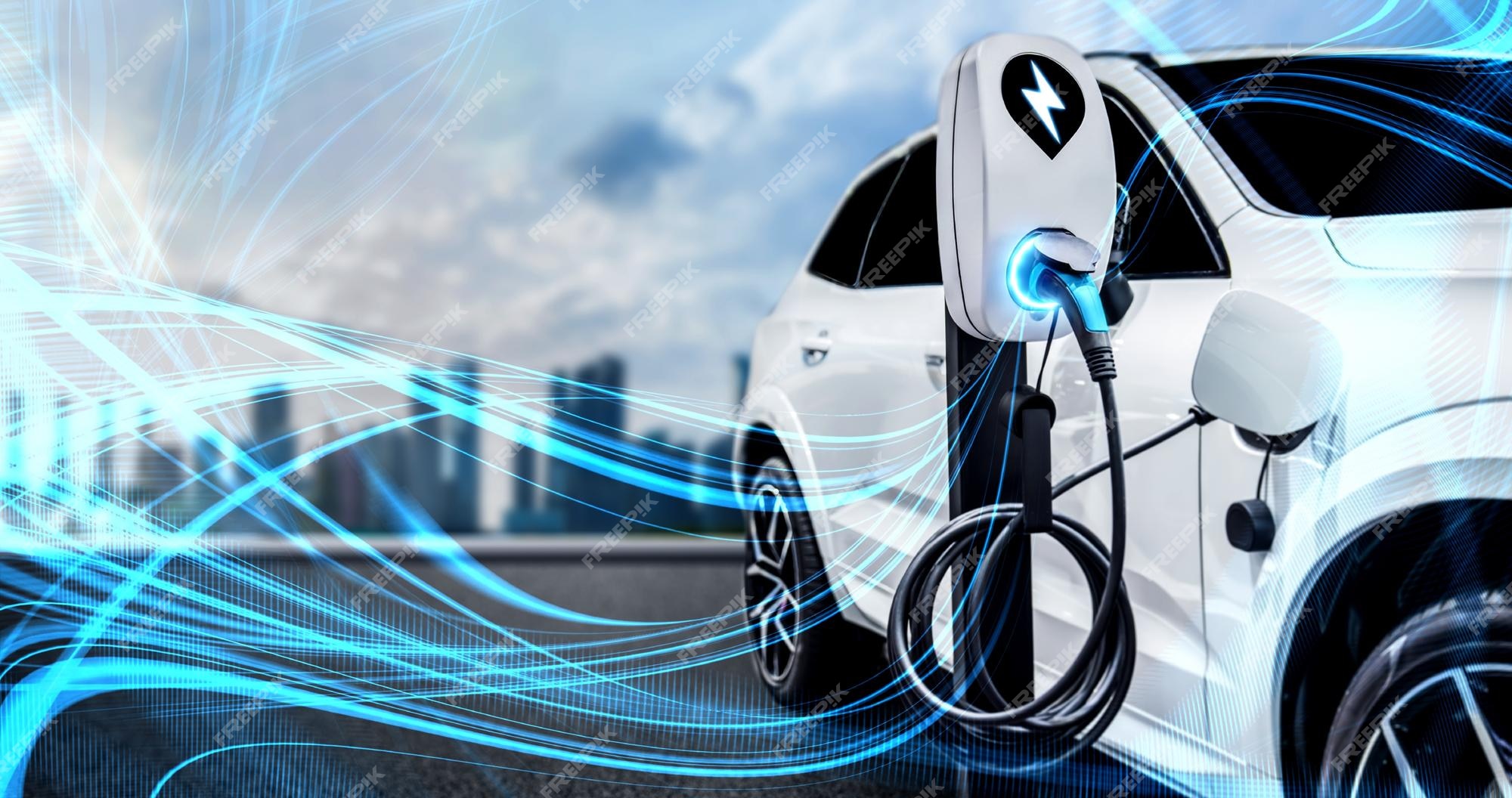
The Evolution of Electric Cars: A Comprehensive Guide
Explore the journey of electric cars from their inception to modern innovations, highlighting key milestones and future prospects.
Early Innovations and Pioneers
The history of electric cars dates back to the early innovations and pioneers who first conceptualized and developed electric propulsion systems. Early inventors and engineers experimented with various forms of electric power, seeking to create a viable alternative to steam and gasoline engines. These initial efforts laid the groundwork for the development of electric vehicles (EVs), showcasing the potential of electric power for transportation. Although these early models were rudimentary and faced numerous technical challenges, they demonstrated the feasibility of electric mobility. The initial excitement around electric cars was palpable, but various limitations, such as battery life and charging infrastructure, prevented them from becoming mainstream during their inception.
The Decline and Revival of Electric Cars
Despite early successes, electric cars faced significant competition from gasoline-powered vehicles, which offered longer ranges and quicker refueling times. This led to a decline in the popularity of EVs, as internal combustion engines dominated the automotive market. However, the revival of electric cars began as concerns over environmental sustainability and fossil fuel dependency grew. Advances in battery technology, coupled with increasing awareness of climate change, spurred renewed interest in electric vehicles. Governments and private companies started investing heavily in research and development, leading to significant improvements in EV performance, range, and affordability. This revival marked the beginning of a new era for electric cars, characterized by innovation and growth.
Technological Advancements in Electric Vehicles
Modern electric vehicles have benefited immensely from technological advancements. One of the most significant developments has been the improvement in battery technology, particularly the advent of lithium-ion batteries. These batteries offer higher energy density, longer life cycles, and faster charging times compared to earlier battery types. Additionally, advancements in electric motors, power electronics, and regenerative braking systems have enhanced the efficiency and performance of EVs. The integration of smart technologies, such as advanced driver-assistance systems (ADAS) and connectivity features, has further elevated the driving experience. These technological strides have made electric cars more competitive with their gasoline counterparts, attracting a broader consumer base.
Infrastructure and Market Expansion
The expansion of charging infrastructure has been a critical factor in the widespread adoption of electric vehicles. The development of a robust network of charging stations, including fast chargers and home charging solutions, has alleviated range anxiety and made EVs more convenient for everyday use. Governments around the world have implemented policies and incentives to support the growth of charging infrastructure, encouraging both public and private investment. Additionally, the automotive market has seen a surge in the variety of electric vehicle models available, catering to different consumer preferences and needs. This market expansion has been instrumental in making electric cars a mainstream choice for consumers seeking sustainable transportation options.
The Future of Electric Mobility
The future of electric mobility looks promising, with continuous advancements and innovations on the horizon. Researchers and manufacturers are exploring new battery chemistries, such as solid-state batteries, which promise even greater energy density and safety. The development of autonomous driving technology is also expected to complement electric vehicles, creating a seamless and efficient transportation ecosystem. Furthermore, the integration of renewable energy sources for charging EVs will enhance their environmental benefits, reducing the carbon footprint of transportation. As electric cars become more affordable and accessible, their adoption is likely to accelerate, driving the automotive industry towards a more sustainable future. The evolution of electric cars is a testament to human ingenuity and the relentless pursuit of innovation, paving the way for a cleaner and greener world.