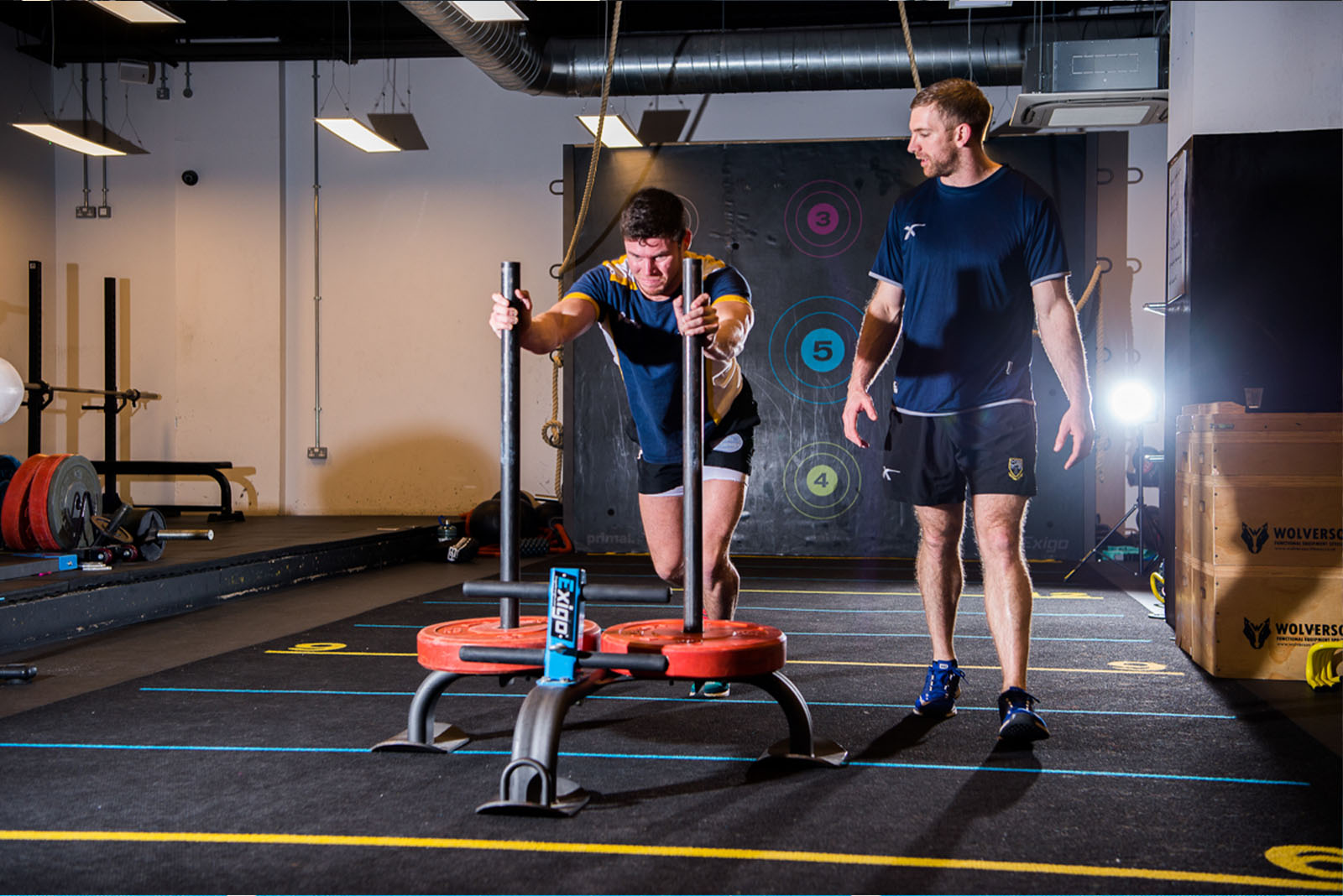
The Ultimate Guide to Building Strength and Endurance
Discover comprehensive strategies and tips for building both strength and endurance, tailored for all fitness levels.
Understanding the Basics of Strength and Endurance
Building strength and endurance requires a solid understanding of the basics. Strength refers to the maximum amount of force a muscle or group of muscles can generate, while endurance is the ability to sustain prolonged physical activity. Combining these two aspects creates a well-rounded fitness profile, enabling you to perform better in various physical tasks and sports. To get started, it's essential to focus on foundational exercises that target major muscle groups. These include squats, deadlifts, bench presses, and rows for strength, and activities like running, cycling, or swimming for endurance. Remember, consistency is key. Regular training, combined with adequate rest and recovery, will help you see gradual improvements over time.
The Importance of Nutrition
Nutrition plays a critical role in building both strength and endurance. A balanced diet rich in proteins, carbohydrates, and fats is essential for muscle growth and energy production. Proteins are the building blocks of muscle tissue, helping repair and grow muscles after intense workouts. Carbohydrates provide the energy needed to fuel your workouts, while fats support overall health and long-term energy needs. Hydration is equally important, as water helps transport nutrients to your muscles and aids in recovery. Consider incorporating supplements like whey protein, BCAAs, and creatine to further support your fitness goals. Always consult with a healthcare professional before starting any new supplement regimen.
Designing an Effective Workout Routine
Creating a well-rounded workout routine is crucial for building strength and endurance. Start by setting clear, achievable goals. Whether you aim to lift heavier weights or run longer distances, having a target will keep you motivated. Incorporate a mix of compound and isolation exercises to ensure you're working all muscle groups. Compound exercises like squats and deadlifts engage multiple muscles at once, making them efficient for building overall strength. Isolation exercises, such as bicep curls or leg extensions, target specific muscles for more focused development. Don't forget to include cardiovascular activities like running or cycling to boost endurance. Finally, vary your workouts to prevent plateaus and keep things interesting.
The Role of Rest and Recovery
Rest and recovery are often overlooked but are essential components of any strength and endurance training program. Muscles need time to repair and grow stronger after intense workouts. Aim for at least one to two rest days per week, and consider incorporating active recovery activities like light stretching or yoga. Sleep is another crucial factor; aim for 7-9 hours per night to allow your body to fully recover. Overtraining can lead to injuries and burnout, so listen to your body and adjust your routine as needed. Techniques like foam rolling, massage, and even cold baths can also aid in muscle recovery and reduce soreness.
The Mental Aspect of Training
Building strength and endurance isn't just a physical challenge; it's a mental one as well. Mental toughness and focus are crucial for pushing through tough workouts and staying consistent. Setting small, achievable milestones can help keep you motivated and provide a sense of accomplishment. Visualization techniques, where you imagine yourself successfully completing a workout or achieving a goal, can also be beneficial. Mindfulness and meditation practices can improve focus and reduce stress, making it easier to stay committed to your training regimen. Remember, a positive mindset can make a significant difference in your overall performance and progress.
Importance of Proper Form and Technique
Using proper form and technique is essential for preventing injuries and maximizing the effectiveness of your workouts. Incorrect form can lead to strains, sprains, and even more severe injuries, derailing your progress. Take the time to learn the correct techniques for each exercise, possibly with the help of a certified trainer. Pay attention to your body's alignment and movement patterns, and don't hesitate to use mirrors or record yourself to check your form. Start with lighter weights to master the technique before gradually increasing the load. Proper form not only ensures safety but also helps you target the intended muscles more effectively.
Tracking Progress and Making Adjustments
Tracking your progress is vital for staying motivated and making necessary adjustments to your training program. Keep a workout journal or use a fitness app to record your exercises, sets, reps, and weights. Monitoring your progress helps you identify what's working and what needs improvement. Regularly assess your performance through strength tests or endurance challenges. Don't be afraid to make changes to your routine based on your progress. Periodization, or varying the intensity and volume of your workouts over time, can help prevent plateaus and keep your training effective. Celebrate your achievements, no matter how small, to stay motivated and committed.
The Long-Term Commitment
Building strength and endurance is a long-term commitment that requires patience, consistency, and dedication. It's important to view your fitness journey as a marathon, not a sprint. Understand that progress may be slow and incremental, but every small step forward counts. Stay committed to your goals, even when faced with setbacks or challenges. Surround yourself with a supportive community, whether it's friends, family, or a fitness group, to keep you motivated. Remember, the key to long-term success is consistency. Stick to your routine, make healthy lifestyle choices, and continually strive to improve. Over time, you'll see significant improvements in your strength, endurance, and overall fitness.