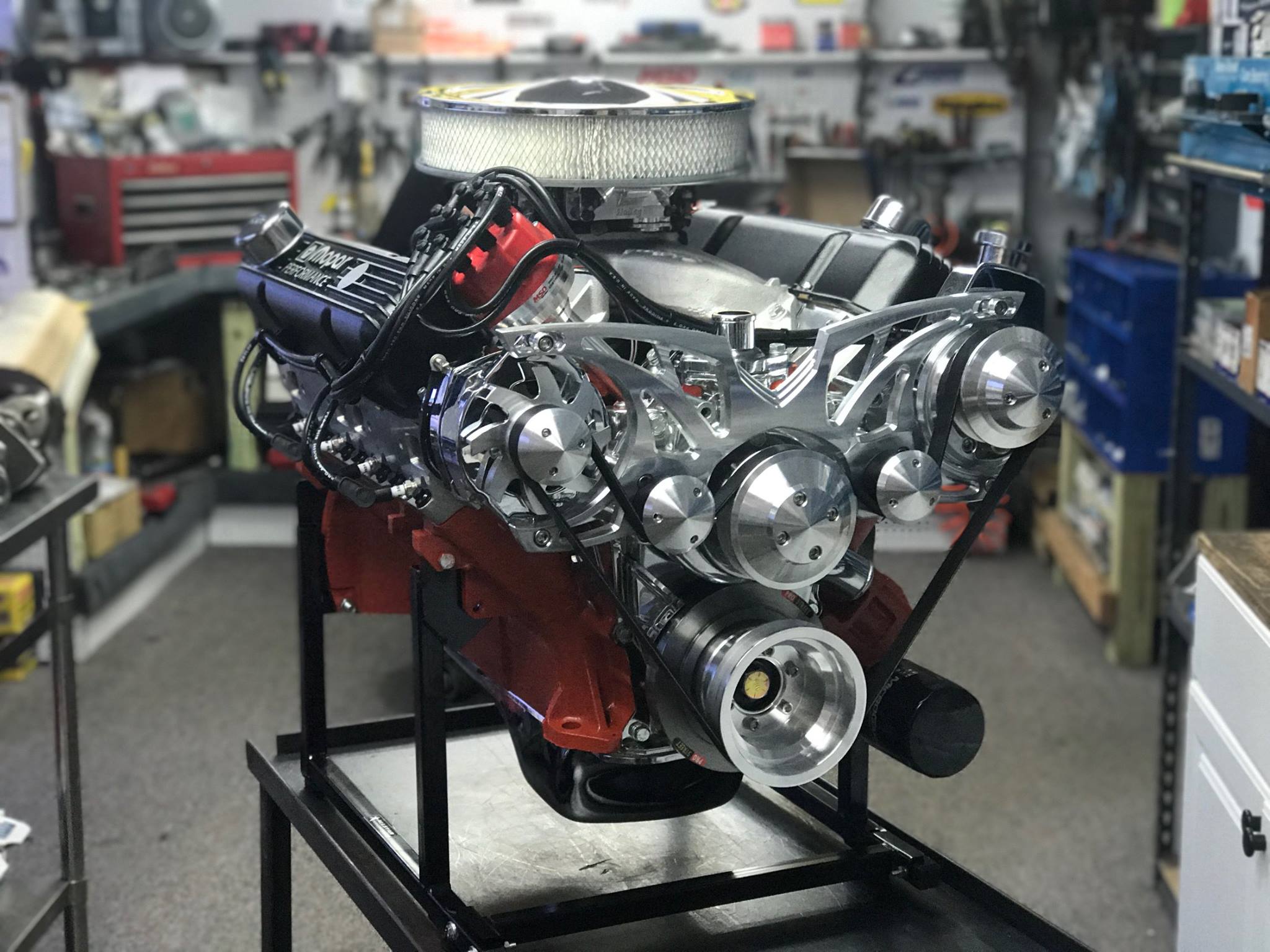
Understanding Engine Performance: What You Need to Know
Engine performance is crucial for vehicle efficiency and longevity. Discover key factors that influence performance and how to maintain optimal engine health.
The Basics of Engine Performance
Understanding engine performance starts with knowing the fundamental components and how they work together. An engine's primary job is to convert fuel into mechanical energy, which powers the vehicle. This conversion process involves several key elements, including the cylinders, pistons, crankshaft, and camshaft. Each of these parts must function optimally to ensure the engine runs efficiently. For instance, the pistons move up and down within the cylinders, compressing the fuel-air mixture before ignition. The crankshaft then converts this linear motion into rotational motion, which ultimately drives the wheels. A well-maintained engine ensures that these components work in harmony, resulting in optimal performance and fuel efficiency.
The Role of Fuel and Air Mixture
Another crucial aspect of engine performance is the fuel and air mixture. The correct ratio of fuel to air is vital for efficient combustion. Too much fuel can lead to incomplete combustion, resulting in wasted fuel and increased emissions. Conversely, too much air can cause the engine to run lean, leading to higher temperatures and potential engine damage. Modern engines use sophisticated fuel injection systems and oxygen sensors to maintain the optimal air-fuel ratio. These systems continuously monitor and adjust the mixture to ensure efficient combustion under various driving conditions. Understanding how these systems work can help you appreciate the importance of regular maintenance, such as replacing air filters and fuel injectors.
The Importance of Engine Timing
Engine timing is another critical factor that affects performance. This refers to the precise coordination of the engine's internal components, such as the timing of the spark plug firing and the opening and closing of the valves. Proper timing ensures that the fuel-air mixture ignites at the right moment, maximizing power output and fuel efficiency. Timing belts or chains play a crucial role in maintaining this synchronization. Over time, these components can wear out, leading to timing issues that can severely impact engine performance. Regular inspections and timely replacements are essential to keep your engine running smoothly.
The Impact of Engine Load
Engine performance is also influenced by the load placed on the engine. Load refers to the amount of work the engine has to perform, which can vary based on driving conditions, such as climbing a hill or towing a heavy load. When the engine is under high load, it requires more fuel and air to generate the necessary power. This can lead to increased wear and tear on engine components, especially if the engine is not designed to handle such stress. Understanding how load affects engine performance can help you make informed decisions about your driving habits and vehicle maintenance.
Maintenance for Optimal Performance
Regular maintenance is key to ensuring optimal engine performance. This includes routine tasks such as oil changes, replacing spark plugs, and checking the cooling system. Clean oil ensures that the engine's moving parts are well-lubricated, reducing friction and wear. Spark plugs play a crucial role in igniting the fuel-air mixture, and worn-out plugs can lead to misfires and reduced performance. The cooling system helps regulate the engine's temperature, preventing overheating and potential damage. By staying on top of these maintenance tasks, you can extend the life of your engine and enjoy better performance and fuel efficiency.