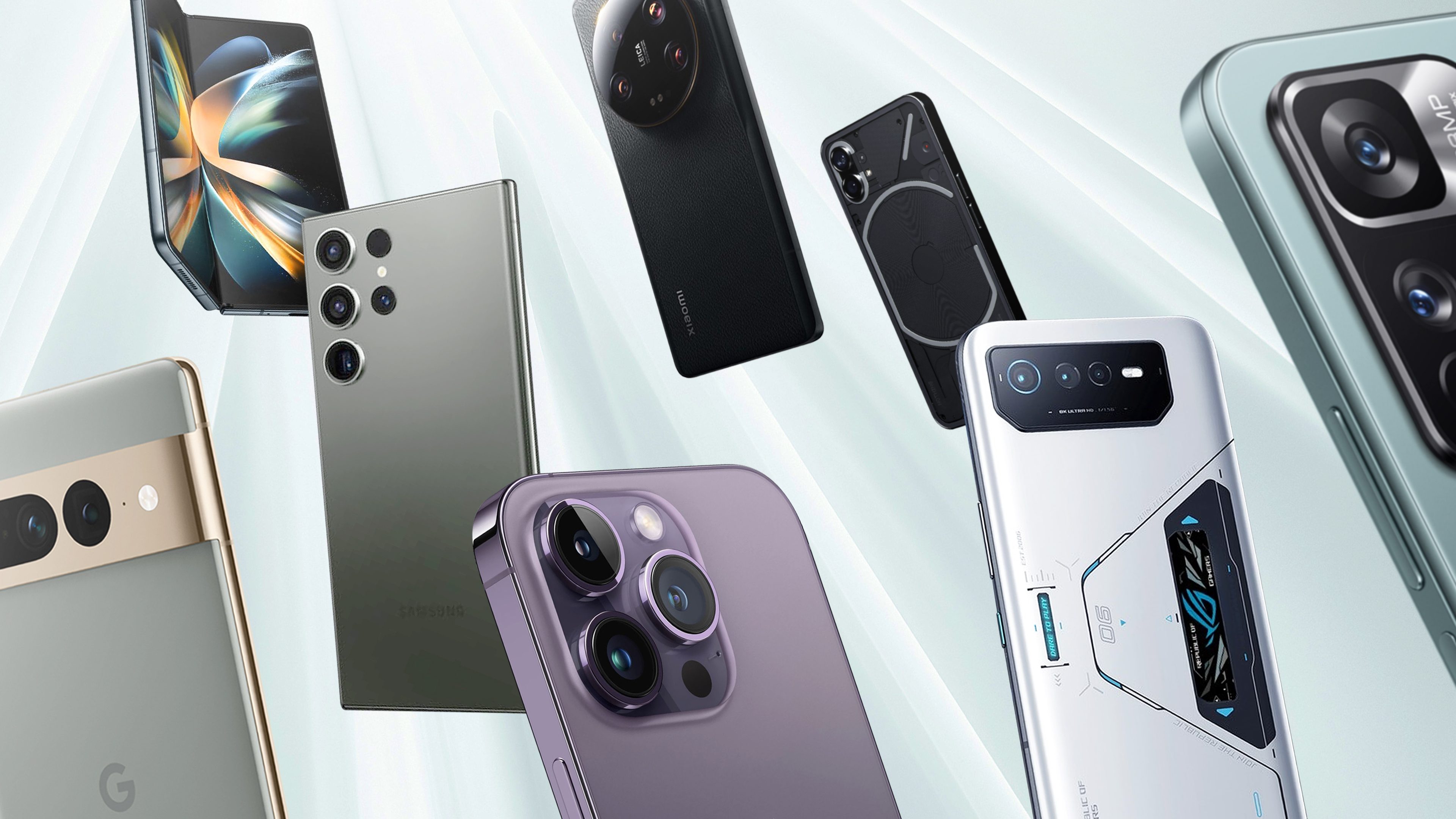
Understanding the Latest Innovations in Smartphone Technology
Explore the cutting-edge advancements in smartphone technology, from AI-driven features to revolutionary camera systems, shaping the future of mobile devices.
Advancements in Display Technology
One of the most striking innovations in smartphone technology is the advancement in display technology. Modern smartphones now feature OLED and AMOLED screens, which offer richer colors, deeper blacks, and more energy efficiency compared to traditional LCD screens. Additionally, high refresh rates of up to 120Hz or more provide smoother scrolling and better responsiveness, enhancing the user experience in gaming and daily usage. These advancements are not just limited to flagship models; mid-range smartphones are also adopting these technologies, making high-quality displays more accessible to a broader audience. The introduction of foldable displays has also revolutionized the market, offering larger screen real estate in a more compact form factor. This technological leap allows for more versatility in how users interact with their devices, from multitasking to immersive media consumption.
Enhanced Camera Systems
Smartphone cameras have undergone significant improvements, making them formidable competitors to standalone digital cameras. The integration of multiple lenses, including wide-angle, ultra-wide, and telephoto lenses, has expanded the photographic capabilities of smartphones. AI-enhanced photography is another game-changer, enabling features like scene recognition, night mode, and portrait mode, which adjust settings automatically to produce professional-quality photos. Additionally, advancements in sensor technology and computational photography have made it possible to capture more detail and better dynamic range, even in challenging lighting conditions. Video recording has also seen enhancements, with capabilities like 4K recording, optical image stabilization, and advanced editing tools becoming standard. These innovations make it easier for users to capture and share their lives with stunning clarity and detail.
Improved Battery Life and Charging
Battery life remains a critical aspect of smartphone technology, and recent innovations have made significant strides in this area. Battery optimization algorithms and more efficient processors help extend battery life, ensuring that devices can last through a full day of heavy use. Fast charging technology has also seen remarkable advancements, with some smartphones now capable of reaching a full charge in under an hour. Wireless charging has become more widespread, offering a convenient way to keep devices powered up without the need for cables. Moreover, the development of reverse wireless charging allows smartphones to act as power banks, charging other devices such as earbuds or smartwatches. These improvements in battery technology not only enhance user convenience but also contribute to the overall longevity and sustainability of smartphones.
Enhanced Security Features
As smartphones become more integral to our daily lives, the need for robust security features has never been greater. Recent innovations in smartphone security include biometric authentication methods such as fingerprint scanners and facial recognition, providing a secure yet convenient way to unlock devices. Encryption and secure boot processes ensure that data remains protected from unauthorized access. Additionally, the integration of secure enclaves within the hardware offers an extra layer of protection for sensitive information such as passwords and payment details. Software updates are also more frequent, addressing vulnerabilities and enhancing security protocols. These advancements in security technology help safeguard personal information and provide peace of mind to users, making smartphones not only smarter but also safer.
Integration of Artificial Intelligence
Artificial Intelligence (AI) is playing an increasingly vital role in enhancing smartphone functionality. AI-driven features such as voice assistants and smart reply options streamline daily tasks and improve user interaction. Machine learning algorithms analyze user behavior to provide personalized recommendations, from app usage to content consumption. AI also enhances performance optimization, adjusting system resources in real-time to ensure smooth operation. In the realm of photography, AI-powered features enhance image quality by automatically adjusting settings based on the scene. Moreover, AI is being used to improve accessibility, with features like real-time translation and voice-to-text capabilities making smartphones more user-friendly for people with diverse needs. These AI-driven innovations are transforming smartphones into more intuitive and responsive devices, capable of anticipating and adapting to user needs.